4.6
4.6



 Geschichte
  Terminkalender


 Buchhandlungen


 Anfang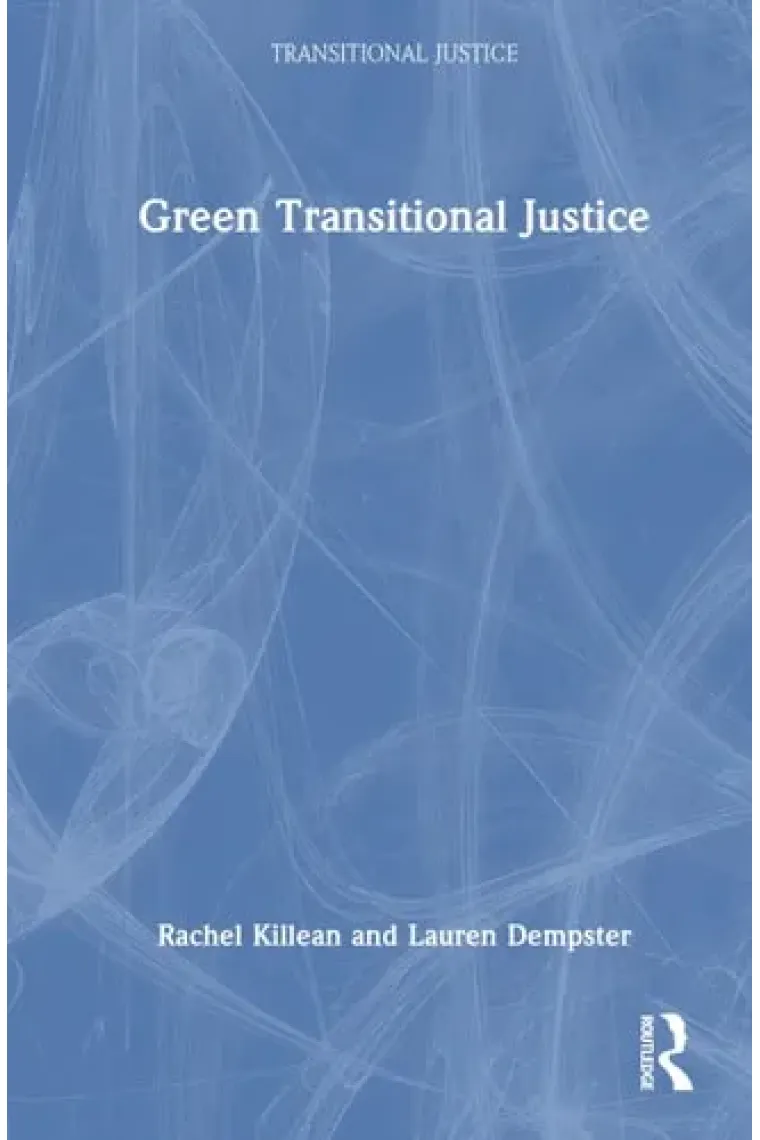


Buch Details
"Examining the marginalisation of environmental harm in the dominant scholarship and practice, this book argues for a green transitional justice. Environmental destruction can act as both a source and consequence of conflict, atrocity, and repression. And unaddressed environmental harms can act as barriers to sustainable peace, while transitions can have their own negative impacts on the natural world. Such harms can in turn exacerbate the harmful impacts of the global climate crisis, creating the contexts in which future resource conflicts become possible. Despite these interconnections, environmental harms and responses to such harms are often invisible or undertheorised in the field of transitional jus-tice. In a field centred around questions of how best to respond to atrocity and conflict, such an absence is both notable and concerning. This book addresses this absence. It brings together critical transitional justice and green criminology, to examining how meaningfully responding to environmental harm in the aftermath of conflict, atrocity, and repression may raise significant challenges. Nevertheless, this book maintains that a green transitional justice offers potential as one tool against the diverse environmental challenges facing our planet. This book is written for students, researchers, and practitioners with interests or involvements in transitional justice and post-conflict work, as well as others working in fields related to conflict and conflict transformation, peacebuilding, environmental protection, and development"--
Lesen Sie mehr - Schriftsteller Rachel Killean, Lauren Dempster
- ISBN13 9781032206219
- ISBN10 1032206217
- Buchseiten 292
- Jahr der Ausgabe 2026
- Fecha de publicación 18/05/2026
Rezensionen und Bewertungen
Sei die erste Person, die es bewertet!
Hast du gelesen Green Transitional Justice?


 Neuheit
 Green Transitional Justice
- Von
- Rachel Killean, Lauren Dempster
- |
- ROUTLEDGE (2026)
- 9781032206219
177,22€
186,55€
-5%
Sendung Kostenlos
Nicht verfügbar
177,22€
186,55€
-5%
Sendung Kostenlos
Nicht verfügbar


Kostenlose Rücksendung

 Vielen Dank für Ihren Einkauf in echten Buchhandlungen!

 Whatsapp
 Facebook
 Linkedin
 X
X